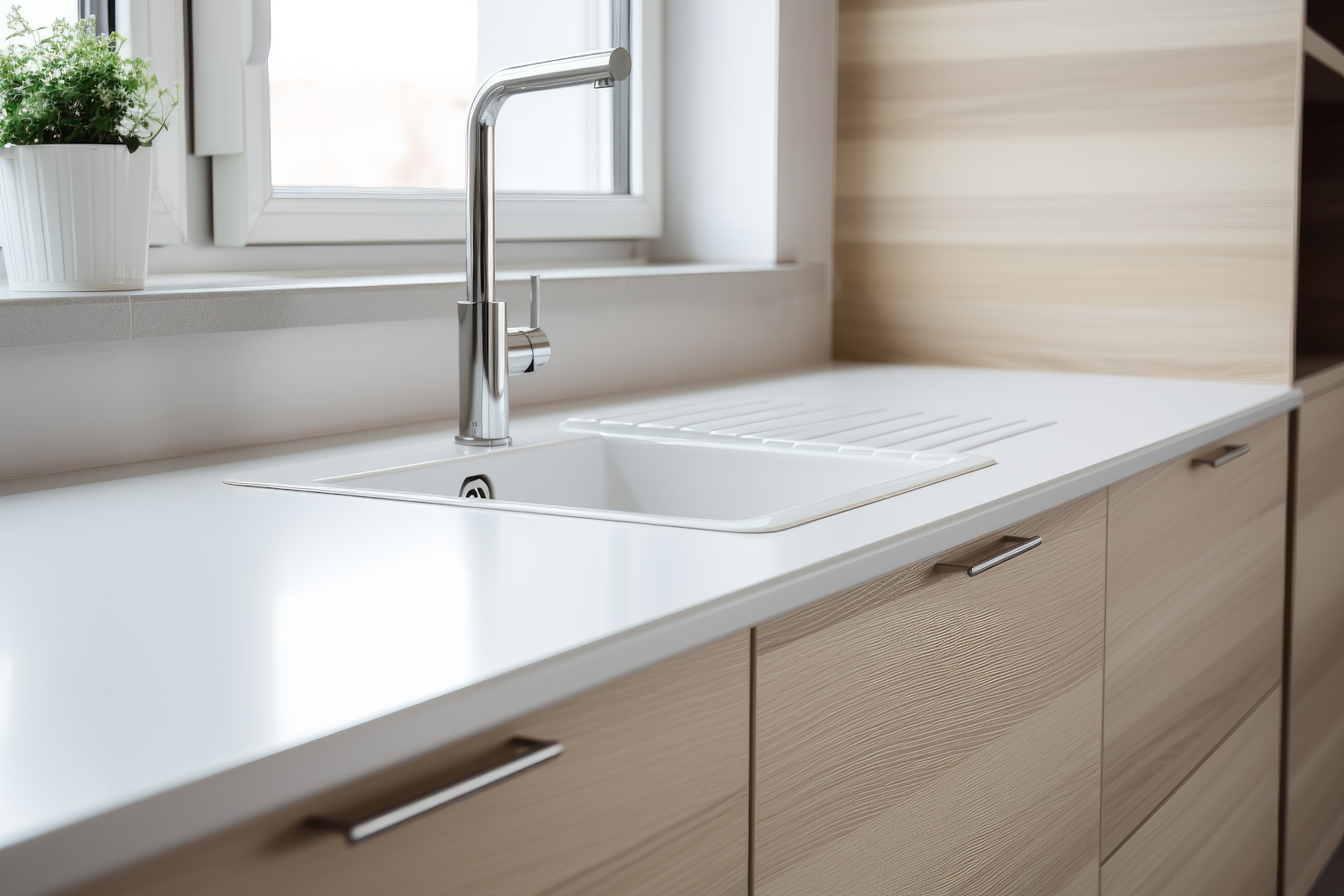

When choosing a worktop material for your kitchen, many homeowners are beginning to consider its environmental impact. Several options are available, so the question arises: why should you choose white quartz for your countertop? Over the years, white quartz worktops have gained popularity for their stunning appearance, durability, and sustainability. Now, how eco-friendly are they really?
Why use white quartz worktops for sustainability
Sustainable sourcing and materials
One of the key benefits of white quartz worktops is their relatively low environmental impact. It is especially true when compared to other materials like granite or marble. Granite involves mining large blocks of stone and requires significant energy to transport. On the other hand, quartz is made using a combination of natural materials and synthetic resins. Many reputable manufacturers of quartz worktops use recycled materials, such as reclaimed quartz, glass, or mirror. It may reduce the need for raw extraction and help to divert waste from landfills.
In addition, the resin used in manufacturing quartz is often produced with low levels of volatile organic compounds (VOCs). Therefore, it can be a healthier option for maintaining indoor air quality than other materials, such as laminate or solid wood, which can release harmful chemicals over time.
Longevity and durability
When considering the environmental impact of any material, longevity is an essential factor. White quartz worktops are incredibly durable and resistant to scratches, stains, and heat. These features make them a long-lasting investment for your home. By choosing quartz, you’re not only getting a material that will stand the test of time. However, it will also reduce the need for replacements, which ultimately helps conserve resources.
They are also low maintenance – with no sealing or special cleaning agents required, meaning fewer chemicals are used, further contributing to their eco-friendliness.
Energy efficiency during manufacturing
The production of white quartz worktops does require energy. However, the overall process is relatively efficient compared to that of some other materials. The energy required to produce quartz is lower than that required to extract and process natural stone, particularly granite and marble.
Furthermore, many companies now employ sustainable manufacturing processes to reduce their carbon footprint, such as using renewable energy sources and implementing water-recycling systems during production.
Recyclability and end-of-life
One of the positive environmental aspects of quartz worktops is their recyclability. Unlike granite or marble, which are difficult to recycle once they reach the end of their life cycle, quartz can often be repurposed or reused in other applications.
In conclusion, white quartz worktops offer a range of sustainable benefits. Ensuring long-lasting durability, Mr Kitchen Worktop Fitter aims to keep the process eco-friendly. While no material is entirely without environmental impact, quartz presents a strong option for those looking to make more eco-conscious choices for their home. With responsible sourcing and a focus on energy efficiency, quartz is a great choice for a beautiful, functional, and sustainable worktop in your kitchen.